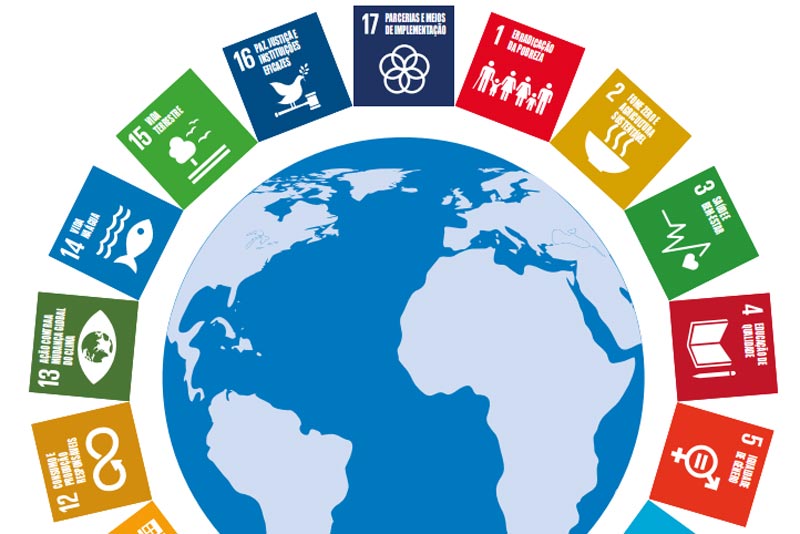
The Sustainable Development Goals (SDGs) are a set of targets adopted by the United Nations General Assembly in September 2015 as part of the 2030 Agenda for Sustainable Development. That agenda is a global plan to end poverty, protect the environment and secure sustainable development in economic, social and environmental terms by 2030.
The SDGs comprise 17 main goals, each with specific targets covering a range of interconnected issues, from ending poverty to advancing gender equality and tackling climate change.
The 17 Sustainable Development Goals: 1) No poverty. 2) Zero hunger and sustainable agriculture. 3) Good health and well-being. 4) Quality education. 5) Gender equality. 6) Clean water and sanitation. 7) Affordable and clean energy. 8) Decent work and economic growth. 9) Industry, innovation and infrastructure. 10) Reduced inequalities. 11) Sustainable cities and communities. 12) Responsible consumption and production. 13) Climate action. 14) Life below water. 15) Life on land. 16) Peace, justice and strong institutions. 17) Partnerships for the goals.
The SDGs represent a global commitment to address social, economic and environmental challenges and make the world a better place for present and future generations. Meeting these targets depends on cooperation between governments, the private sector, civil society and citizens everywhere.